Showing posts with label Keep Produce Fresh. Show all posts

The Secret to Storing Cucumbers


Storing cucumbers in the refrigerator is a must. 

But even in a crisper drawer, they begin to get shriveled and soft in only a few days. Plus, leaving cucumbers wrapped in plastic will result in a slimy cucumber in a short period of time.

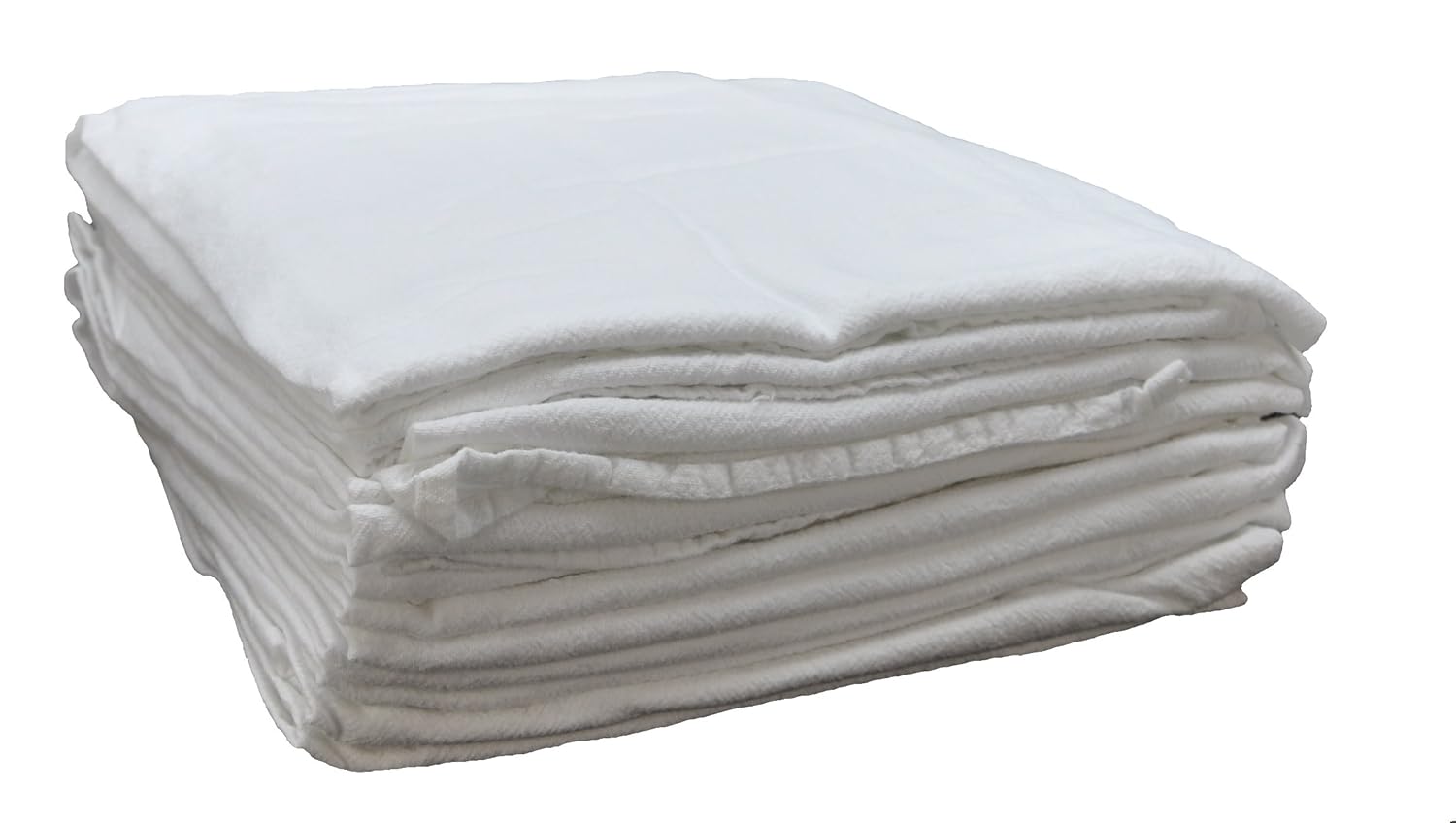
To keep cucumbers fresh longer, first wrap each cucumber in a piece of paper towel to absorb excess moisture. If you prefer not to use paper towel, an inexpensive flour sack towel may also be used. In that case, you may want to wrap several cucumbers since the flour sack towels are larger.

You can then place several cucumbers in a produce bag, or even a plastic bag, and place the bag in the refrigerator.

This simple trick will keep your cucumbers fresh longer. Try it!


(I love the convenience of shopping online and I think you will too. The links in this post are my referral links. Read my disclosure policy here.)


The Best Way to Store Lemons {so they stay fresh longer}


Image Credit

Lemons are so often displayed on kitchen counter tops as a bright pop of color that it would be easy to assume that this was the proper way to store them. 

As anyone who has done this probably knows, lemons left at room temperature will become hard and shriveled in about a week. 

So what's the best way to prolong the life of a lemon you don't intend to use right away? 

It turns out that storing lemons in the refrigerator extends their life significantly.

In fact. American's Test Kitchen ran some tests and determined that lemons stored in plastic bags in the refrigerator last up to four weeks before showing signs of dehydration.


Image via America's Test Kitchen

Since I prefer to avoid plastic whenever possible, I love this tip from The Happier Homemaker. 


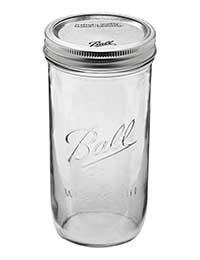
Store lemons (or limes) in a mason jar filled with water. Not only will your citrus last longer, but it looks great in the fridge.

These Ball wide-mouth jars are the perfect size for storing either lemons or limes.


So, as tempting as it may be to display a bowl of lemons, the best way to store lemons you don't intend to use immediately, is in a plastic bag or jar in the refrigerator.


(I love the convenience of shopping online and I think you will too. The links in this post are my referral links. Read my disclosure policy here.)

The Secret to Storing Salad Greens


Packaged salad greens are so convenient. They're pre-washed, pre-cut, and such a time saver. 

But if you've ever forgotten about those greens in the fridge, you know they don't last very long. In a short time, you have a shriveled slimy mess.


So here's the trick to making those greens last much longer. 


First, if you purchased greens in a bag, find a sturdy container with a cover. Tupperware, Pyrex, it doesn't matter, but you want to get the greens out of the bag and into a container that will protect them. And you'll want to give the greens plenty of room to breathe.

Line your container with a piece of paper towel. If the paper goes up the sides, all the better. The paper towel will absorb the excess moisture that tends to build up and create a slimy mess. Now transfer you greens onto its new bed of paper towel. Cover with a second paper towel.

Depending on the amount of greens you have, you may want to layer in an additional towel, add more greens, then cover with paper towel before covering the container.

If you don't want to use paper towels, I've also used flour sack towels.


If you have purchased greens in a plastic clam shell container, even better. That rigid container should protect your greens just fine, but you're still going to want to line the plastic container with paper towels, and cover your greens before resealing the container.

Check your container every couple of days and replace the paper towels when they become damp. Using this method your salad greens should remain crisp for up to 10 days. I've even had some last over two weeks.

(I love the convenience of shopping online and I think you will too. The links in this post are my referral links. Read my disclosure policy here.)

Selecting and Storing Sweet Potatoes


It's sweet potato time! 

Before you begin stocking up on your favorite variety, be sure you understand how to properly store your sweet potatoes. 

Sweet potatoes look tough, but once bruised or invaded by decay organisms, they will deteriorate very rapidly. So it's important that you begin with near perfect sweet potatoes. 

Purchase your sweet potatoes loose rather than prepackaged so that you may carefully inspect each one for defects. Look for smooth, unbroken skin. Reject any sweet potatoes with shriveled, soft, or sunken patches since one damaged spot will affect the taste of the entire sweet potato.

If you have a cool area in your home, basement, or garage, a temperature of 45 to 50 degrees is ideal. Sweet potatoes may keep up to two months under these temperatures. 

If you live in a warmer climate, however, you will need to be careful not to purchase more than you can use in a short time. Under normal household temperatures, plan to keep them no longer than a week. Beyond that time, they will begin to shrivel and soften. 

Storing sweet potatoes in the refrigerator is not recommended because the low temperature will alter the taste, often making them bitter. Once cooked, however, sweet potatoes may be refrigerated up to five days.


Subscribe to The Prudent Pantry and you'll never miss a post.


images via North Carolina Sweet Potatoes

Storing Fresh Blueberries


When blueberries are in season and inexpensive, it's time to stock up. Follow these tips to care for your blueberries so that they stay fresh longer.

Wash and Dry

If the berries will be used right away, use a colander to wash the berries under running water. The quickest way to dry berries is to use a salad spinner lined with paper towels. About three layers of paper towels will protect the berries.

If the berries will not be used right away, wash them in a bowl of three cups water and 1 cup white vinegar. The vinegar will kill bacteria and discourage molding. Then rinse under running water and drain using a colander. Dry using a salad spinner.

Storage

To keep berries in the refrigerator, use a rigid container lined with paper towels. Keep the lid ajar to allow any excess moisture to escape.

Blueberries can also be frozen with excellent results. For use in cooking, freeze a layer of blueberries on a baking sheet. When the berries are frozen, transfer them to a freezer bag for storage.

If you plan on eating the thawed berries alone, you can improve the appearance and texture by tossing washed and dried berries in sugar until coated evenly. About 2 cups of sugar will coat 8 cups of berries.

When you are ready to use, take the berries out of the freezer and rinse off the sugar. The sugar will rinse off easily. Freezing with a sugar coating will improve the appearance and texture of the berries.

Resources:


Get tips and deals delivered


(I love the convenience of shopping online and I think you will too. The links in this post are my referral links. Read my disclosure policy here.)

Keep Strawberries Fresh Longer


Whenever I purchase strawberries and store them in the refrigerator, they begin to mold very quickly. Here's a smart tip to keep strawberries fresh longer. Fresh fruit means less waste and money saved.

Soak the berries (leaves intact) for just a few minutes in a mixture of 1 part white vinegar and 10 parts water. Using a colander, rinse and drain the berries until completely dry. Remove any remaining moisture with a paper towel.

Store the berries uncovered in the refrigerator. The vinegar kills the mold spores but will not affect the taste of the berries. Drying the berries before storing prevents rot.

I have noticed my strawberries stay fresh much longer this way. This trick works for other types of berries too!

Here are some more great uses for vinegar:

Frugal Rinse Aid: Vinegar in the Dishwasher

Add Softness to Your Laundry with Vinegar

Removing Cooking Odors with Vinegar

Homemade Daily Shower Spray

Vinegar Kills Weeds


Selecting and Storing Fresh Produce: Tips & Tricks


Food is expensive. Yet, if you are like most Americans, you waste approximately 14 percent of all the food brought into your home.

A study at the University of Arizona tracked the food use habits of families for a year. Researchers worked with the United States Department of Agriculture. They interviewed families about their eating habits, collected their grocery receipts, watched them prepare meals, and documented everything that was discarded.

The results, reported in 2002, were pretty shocking. The families tossed out an average of 470 pounds of food per year. That’s about 14 percent of all food brought into the home which came at a cost of about $600.

When it comes to fresh produce, the statistics were even worse. The University of Arizona study found that Americans waste about 25 percent of the produce brought into their home, mostly because it spoiled.

Which is why I have been compiling tips and tricks for storing fresh produce. 

By selecting the best produce and then storing it properly, your produce will stay fresh longer. If the food stays fresh longer, it is less likely to go to waste.

And less waste is money saved.

What tips do you have for keeping produce fresh?

Drop me a note at ThePrudentPantry (at) gmail (dot) com.


Here is a list of posts I have compiled so far:


Keep Strawberries Fresh Longer
Keep Asparagus Fresh Longer
How to Store Mushrooms
How to Keep Tomatoes Fresh
Keeping Sweet Corn Sweet
How to Store Avocados
Refrigerate It Right: No More Frozen Produce in the Fridge
The Best Way to Store Fresh Herbs 
Keep Lemons Fresh  Longer
Controlled Ripening of Bananas
Storing Peppers
Storing Nuts
Caring for Blueberries 
Choosing and Storing Cantaloupes
Keep Cucumbers Fresh
Tips and Tricks for Storing Celery
Selecting and Storing Grapes
Selecting and Storing Onions

Subscribe to get updates delivered to your inbox.
{enter your email address at the top of the page}


Selecting and Storing Pineapple


Pineapples have been on special recently, so if you like fresh pineapple, this is the time to grab some.

When selecting a pineapple, look for fully ripe fruit that yields slightly to finger pressure. The rind should look bright not dull and may be either green or yellow. A pineapple should smell sweet. A sour smell means that the pineapple has already begun to spoil. When a pineapple is ready to eat, the leaves pull out easily.

If the pineapple you bring home is fully ripe, it will keep in the refrigerator in a plastic bag for three to five days.

Cut pineapple keep better than whole fruit. Pineapple chunks in an airtight container should keep in the refrigerator up to a week.

If the pineapple you bring home is not quite ripe, leave it at room temperature for one to two days. When the leaves pull out easily, it is ready to eat.


For more tips on keeping food fresh, check out these posts:

Keep Strawberries Fresh Longer
Keep Asparagus Fresh Longer
How to Store Mushrooms
How to Keep Tomatoes Fresh
Keeping Sweet Corn Sweet
How to Store Avocados
Refrigerate It Right: No More Frozen Produce in the Fridge
The Best Way to Store Fresh Herbs 
Keep Lemons Fresh  Longer
Controlled Ripening of Bananas
Storing Peppers
Storing Nuts
Caring for Blueberries 
Choosing and Storing Cantaloupes
Keep Cucumbers Fresh


This post is linked to Financial Friday, Latest and Greatest and  House of Hepworths.

Choosing and Storing Cantaloupes


Cantaloupes give many clues that they are ripe and ready to eat. You can easily identify a mature cantaloupe by examining its stem end. There should be a smooth circular indentation with no ragged edges. This signals that the fruit was harvested at the proper time.

The skin of a mature cantaloupe has a distinct texture that looks like netting. The skin beneath the netting should be more yellow than green and the melon should have a sweet scent. However, overripe melons are soft and smell too sweet.

If you can't find a perfectly ripe melon at the market, you should choose one that is getting close. Most cantaloupes will require two to four days of ripening at home. Leave the melon on the counter, away from heat and direct sunlight.

A ripe cantaloupe is yellow, fragrant, and yields slightly to pressure when you press it between your palms. If you aren't ready to use the ripe melon, you may store it in a plastic bag in the refrigerator for about a week. The plastic bag prevents the exchange of odors among your food.

Cut melon is best stored in the refrigerator with seeds and skin still intact. Wrapped tightly in plastic wrap it should store for a few days.

Cantaloupes are abundant and less expensive in June, July, and August. For best texture and flavor, use these tips to choose and store your cantaloupes.

Storing Peppers


Peppers do best at a temperature of about 50 degrees F with high humidity. Most kitchens do not have storage space to accommodate these requirements.

Your best bet is to put peppers in a paper bag placed in the crisper drawer of the fridge. Plan to keep them no more than four or five days.

However, the same peppers that have no natural resting place in the refrigerator, do amazingly well in the freezer. Dice a raw pepper, place it in an airtight freezer bag, put it in the freezer. Small hot peppers may be left whole. After a brief thawing, they can then be cut and seeded.

Peppers will lose crispness once frozen, but will still be good for cooking and stir fry. Peppers may be frozen for six to eight months. However, hot peppers will lose much of their heat over time.

Controlled Ripening of Bananas


It is possible to accelerate the ripening of fruit using naturally produced ethylene gas.

Ripening bananas emit ethylene, so storing unripe bananas in a brown paper bag will trap the ethylene gas and speed up the ripening process. Close up the top of the bag and punch a few small holes to let moisture out.

To ripen the bananas even faster, place a ripe apple in the bag. Apples emit large amounts of ethylene and should generally not be stored with other fruit, as the apple will cause the other fruit to ripen and spoil.

Check inside the bag each day and remove any ripe fruit.

Using this method, we can stagger the ripening of a large bunch of bananas.

It is usually not practical to have a large bunch of bananas become ripe all at once. If you force the ripening of some of the bunch and leave the rest in a fruit bowl, you will have more manageable quantities of usable fruit over a stretch of time.

And less chance of overripe bananas.

For more tips on keeping produce fresh, check out these posts:

Keep Strawberries Fresh Longer
Keep Asparagus Fresh Longer
How to Store Mushrooms
How to Keep Tomatoes Fresh
Keeping Sweet Corn Sweet
How to Store Avocados
Refrigerate It Right: No More Frozen Produce in the Fridge
The Best Way to Store Fresh Herbs 
Keep Lemons Fresh  Longer

Keep Lemons Fresh Longer


When I buy lemons, I like to set them in a fruit bowl on the kitchen counter. I guess I just like the look of them.

If you store lemons this way, they will keep for about a week as long as they are kept out of direct sunlight. The problem is, my lemons usually sit longer than that and their quality begins to deteriorate.

What I never realized is that if you put those same lemons in the refrigerator, they will keep up to four weeks. A crisper drawer is the best place in the fridge to store them.

So the next time you buy lemons, determine what you can use within a week, then put the rest in the fridge. No more throwing out shriveled lemons!

Did you know you can freeze lemons?

You can either juice the lemon and freeze the juice in an ice cube tray, or freeze the lemon whole. The thawed whole lemon will be mushy but will be easy to juice. Both lemons and lemon juice will keep up to three months in the freezer.

The Best Way to Store Fresh Herbs


When you purchase a bouquet of fresh herbs, you can store them much like a bouquet of flowers. Trim the ends of the stems and place the herbs in a glass with about 2 inches of water.

Cover the herbs with a plastic bag to prevent evaporation and place in the refrigerator. Don't place the herbs toward the back of the fridge since this is usually the coldest part.

This method is also useful in keeping asparagus fresh longer.

Do not use this method with basil. Basil should not be refrigerated since it extremely sensitive to cold and will turn black. Just set fresh basil in a vase or glass with some water and leave it out on the counter.

For more tips on keeping produce fresh, check out these posts:

Keep Strawberries Fresh Longer

Keep Asparagus Fresh Longer

How to Store Mushrooms

How to Keep Tomatoes Fresh

Keeping Sweet Corn Sweet

How to Store Avocados

Refrigerate It Right: No More Frozen Produce in the Fridge


Refrigerate It Right: No More Frozen Produce in the Fridge


Finding a head of frozen lettuce or a pint of half frozen berries in the refrigerator is an unwelcome surprise. A frozen head of lettuce is not going to work in a salad. While frozen fruit may be used in smoothies or other concoctions, if you were counting of fresh fruit, you're out of luck.

Understanding how your refrigerator works and the micro-climates within the unit will help you properly place your produce for maximum shelf life.

Proper Temperature
Check to be sure that the temperature of the refrigerator is set properly. Check your manufacturer's recommendation, but most refrigerators should be set between 36 and 38 degrees. If your refrigerator cannot be set to a specific temperature, you may want to invest in a refrigerator thermometer since it's hard to say what a setting of  "2" or "C" means temperature-wise. Leave the thermometer in the refrigerator overnight and check it first thing in the morning since the temperature will fluctuate during the day as the unit is opened and closed.

Proper Placement
The frozen produce problem may be a result of where the produce was placed within the refrigerator. Fruits and vegetables are sensitive to cold air and are prone to freezing because of their high water content. Leafy vegetables are especially sensitive.

While some newer refrigerators have separate cooling mechanisms for the refrigerator and the freezer, most cool by funneling air from the freezer into an opening near the top rear of the refrigerator area. If you place fruits and vegetables near this outlet, you are blowing that cold air on your produce. Because cold air sinks, the area at the back of the fridge, and especially the back of the bottom shelf, can become very cold.

By placing produce in a crisper drawer, you will avoid the very cold air. Another option, if the crisper drawer is full, is to place your produce on a shelf but near the front of the fridge.


How to Select and Store Avocados


You have likely read about the amazing health benefits of the avocado. But it's important that you know how to properly select and store this unique fruit.


Selecting Avocados

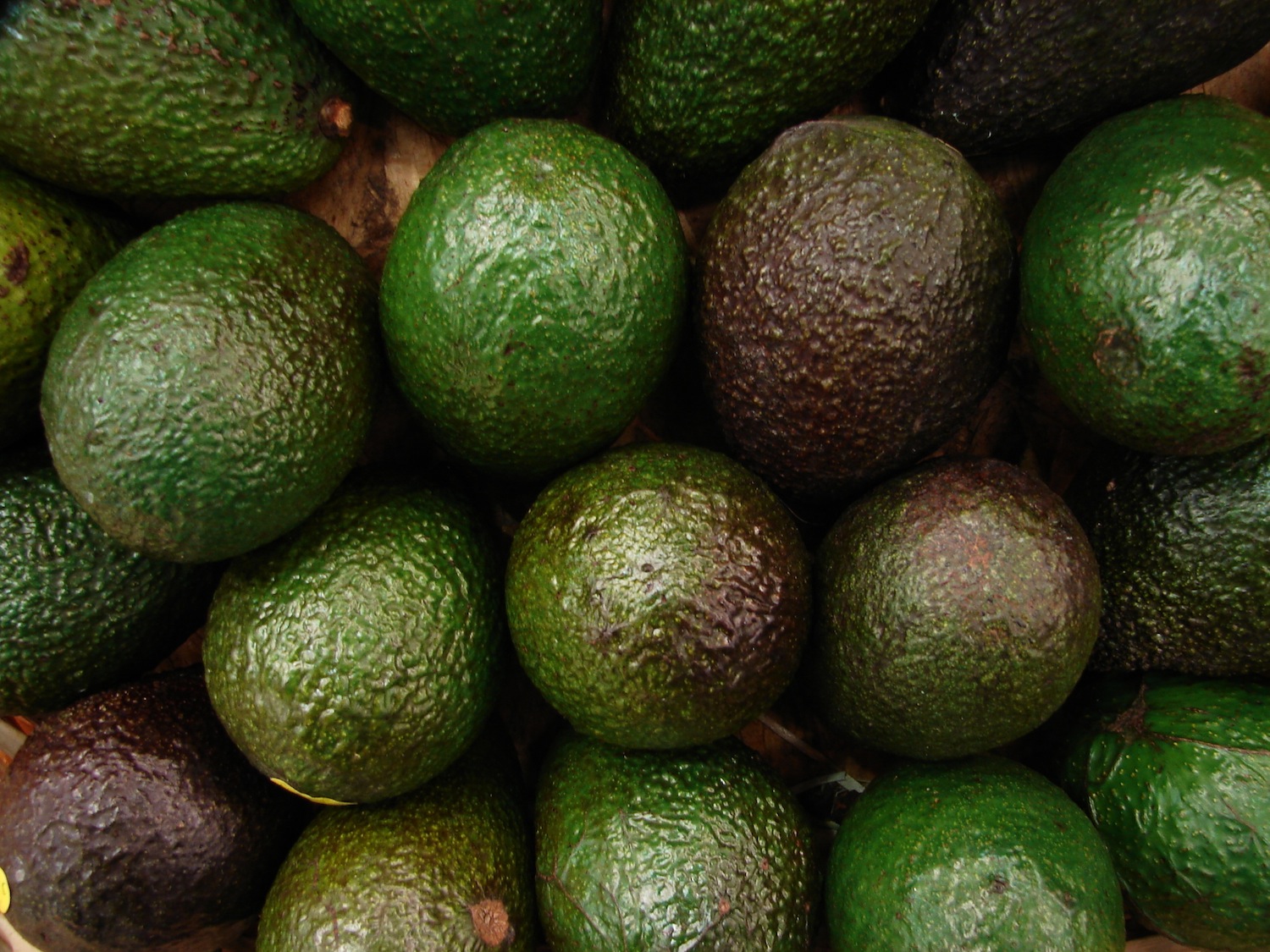
Most avocados come to market quite hard, so that they are less likely to bruise. As long as you don't plan to use it immediately, a firm, but not rock-hard avocado is a good choice.

Check the avocado for soft dark spots that are signs of bruising. Tan patches that are sometimes found on the skin, however, have no effect on the fruit inside.

If you do plan to use the avocado immediately, you will need to be more selective. A ripe avocado will yield to gentle pressure. If your finger leaves a dent in the fruit, or if the skin seems too large for the flesh, the avocado is overripe.


Storing Avocados

An unripe avocado will ripen on the counter in a few days. To speed the process, put the avocado in a paper bag along with either an apple or a banana. The ethylene gas released from the apple or banana will hasten the ripening of the avocado.


If you have an avocado that is perfectly ripe but you are not quite ready to use it, put it in the refrigerator. The chill will slow the ripening considerably. A refrigerated avocado can last up to 10 days. Never store an unripe avocado in the refrigerator as it will never soften properly if it is chilled.


Cut avocado will begin to turn brown as the flesh is exposed to air. When you are using only a portion of the fruit, you can store the remainder for several days. Leave the skin on and the pit in place. To diminish discoloration, brush the exposed area with either lemon or lime juice and wrap in plastic wrap.

Freezing Avocados

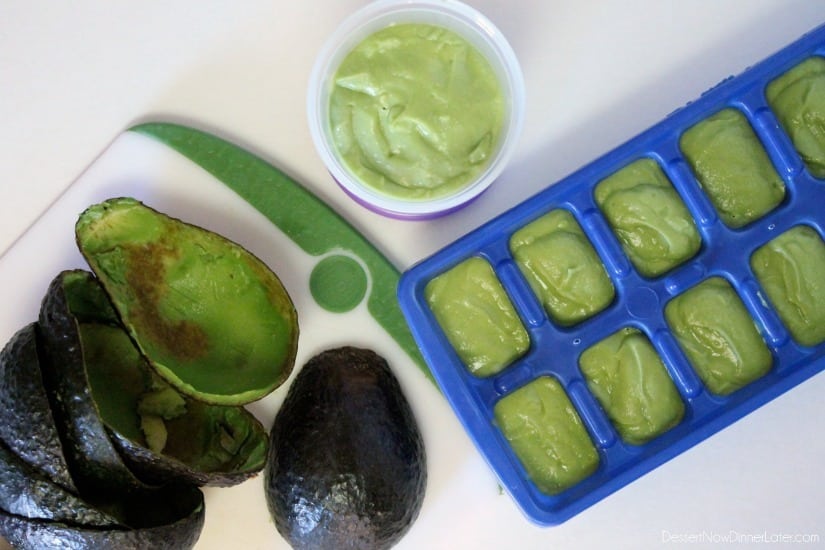
Freezing whole or sliced avocados is not recommended since freezing will alter the texture. However, pureed avocado mixed with a small amount of lemon or lime juice (1 tablespoon per avocado) will freeze for up to 5 months. Store the puree in an air-tight container.


Pureed avocado is preferable to mashed since the lemon or lime juice is more evenly distributed in the puree. Pureed avocado may be used in guacamole, dressings, or sandwich spread.

Puree may be frozen using ice cube trays. Once frozen, remove from the trays and store in labeled freezer bags for up to 5 months.


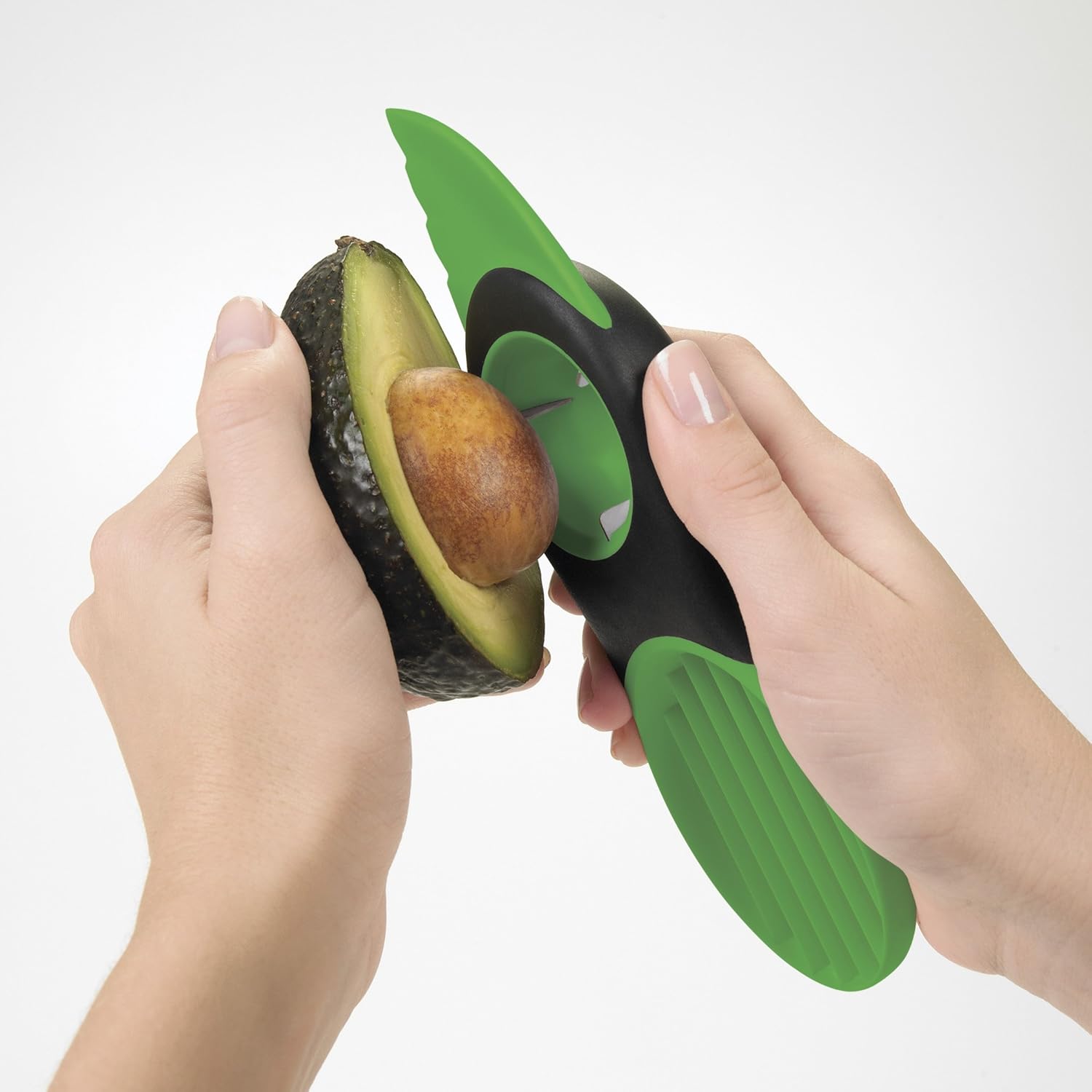
And here is my favorite tool for cutting, pitting, and slicing an avocado. This slick gadget makes preparing an avocado a breeze. It's a little tool that makes a big difference.


(I love the convenience of shopping online and I think you will too. The links in this post are my referral links. Read my disclosure policy here.)

Keeping Sweet Corn Sweet


It's best to eat sweet corn the same day it is purchased because sugars in the corn begin converting to starches as soon as it is harvested.But since that is not always possible, use these tips to keep your corn its sweetest until you are ready to eat.

Wrap the unshucked corn in a wet paper bag. Then, place the wet paper bag in a plastic shopping bag. Wrapping the corn like this will slow the conversion of sugars to starch.

Eat as soon as possible!

Taking Steps to Keep Produce Fresh


Stop throwing food away!

That's one of my new money-saving strategies. It ties in with meal planning, and making a shopping list, but it goes further than that. I have noticed, particularly with produce, that too many times the food goes bad before I have a chance to use it.

Too many times I have thrown away strawberries that became moldy, or mushrooms that became slimey. No more! Part of the problem, of course, is not sticking with my meal plan. But sometimes plans change and produce needs to remain unused for a few day. I am determined to learn the proper way to store food so that it lasts as long as possible.

With a new focus on meal planning  and some tips and tricks for keeping produce fresh, I can reduce the amount of food that is wasted.

Check out these posts for some tips I have recently implemented:

How to Keep Tomatoes Fresh


Fresh tomatoes should be stored at room temperature. Refrigeration will change the tomato's texture and taste. But tomatoes left on the kitchen counter can spoil rapidly, so here's a tip to extend the life of your fresh tomatoes.

Purchase tomatoes on the vine if possible. Tomatoes lose moisture through the stem area (that indented circular area where the tomato attaches to the vine). Keeping that area covered is important in maximizing the shelf life of the tomato.

If your tomatoes are no longer attached to the vine, store them with the stem area down, facing a flat surface. Alternatively, you may cover the area with a small piece of tape. The idea is to reduce moisture loss from the stem area.

It is always best to eat tomatoes shortly after harvesting, but this little trick will gain you a few more days of fresh tomatoes.

For more tips and tricks to keep produce fresh longer, check out these posts:

Keep Strawberries Fresh Longer

Keep Asparagus Fresh Longer

How to Store Mushrooms

Keeping Sweet Corn Sweet


What tips and tricks do you use to reduce food spoilage?

How to Store Mushrooms


When you purchase mushrooms at the supermarket, they are often packaged in a Styrofoam container with plastic wrap. If you look closely at the plastic wrap, you will notice small air holes. Mushrooms usually keep well in this type of packaging for a couple of days in the refrigerator.

If you need to store the mushrooms for more than a couple of days, further steps must be taken to keep them fresh. Too much moisture will result in slimy mushrooms, too much evaporation of moisture will result in shriveled mushrooms.

Here's what works for me:

Wrap unwashed mushrooms in paper towels and place them in a perforated plastic bags . If you don't have a perforated plastic bag, you could place the wrapped mushrooms in a bowl and cover the bowl with plastic wrap. Punch a few holes in the plastic wrap to mimic the perforated bag.

Or, depending on the original packaging, you may even be able to place the paper towel-wrapped mushrooms back in the original container and cover with the original plastic wrap.

Use this method to keep your mushrooms fresh. Because tossing spoiled food is like throwing money away!

For more tips and tricks to keep produce fresh longer, check out these posts:

Keep Strawberries Fresh Longer

Keep Asparagus Fresh Longer


What tips and tricks do you use to reduce food spoilage?

Keep Asparagus Fresh Longer


Asparagus can be one of the more expensive produce items so it would be a shame to let it start wilting before you have a chance to use it.

While fresher is always better, if you can't use your asparagus right away, you can extend its useful life with proper storage.

When storing in the refrigerator, place the asparagus in a glass or wide-mouth jar with approximately two inches of water. This will keep the spears from wilting. A plastic bag (such as those found in the produce section) covering the spears and the jar opening will keep the moisture from evaporating.